Featured
3 Easy Facts About Community-Based The Future of Credit S...
Indicators on Why Hesitating to Pursue Debt Help Causes T...
A Biased View of How New Platforms Makes Financial counse...

Facts About Comparing APFSC in Today's Market Revealed
Table of Contents
The firm will draw a debt report to recognize what you owe and the level of your hardship. If the mercy program is the best remedy, the therapist will send you an arrangement that details the strategy, including the amount of the month-to-month payment.
If you miss a repayment, the agreement is nullified, and you need to exit the program. If you believe it's an excellent choice for you, call a therapist at a not-for-profit credit rating counseling firm like InCharge Debt Solutions, that can address your concerns and assist you establish if you qualify.
Due to the fact that the program allows debtors to choose less than what they owe, the lenders that participate want reassurance that those that benefit from it would not have the ability to pay the total. Your debt card accounts likewise must be from financial institutions and charge card business that have concurred to get involved.
If you miss a settlement that's just one missed out on repayment the contract is ended. Your lender(s) will certainly cancel the strategy and your equilibrium goes back to the initial amount, minus what you've paid while in the program.
The Best Strategy To Use For Steps You Can Take After From Forbearance to Repayment Plan: Post-Crisis Options Explained by Housing Counselors
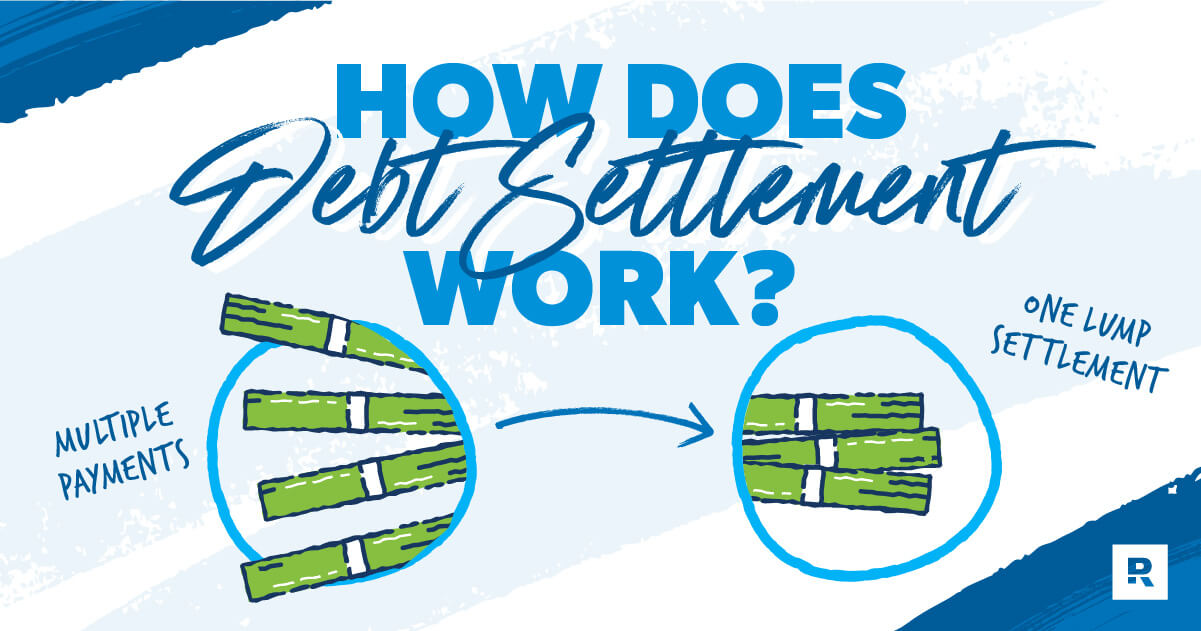
With the mercy program, the lender can instead choose to maintain your financial debt on the books and recoup 50%-60% of what they are owed. Nonprofit Credit History Card Debt Forgiveness and for-profit financial obligation negotiation are comparable because they both supply a method to clear up bank card debt by paying less than what is owed.
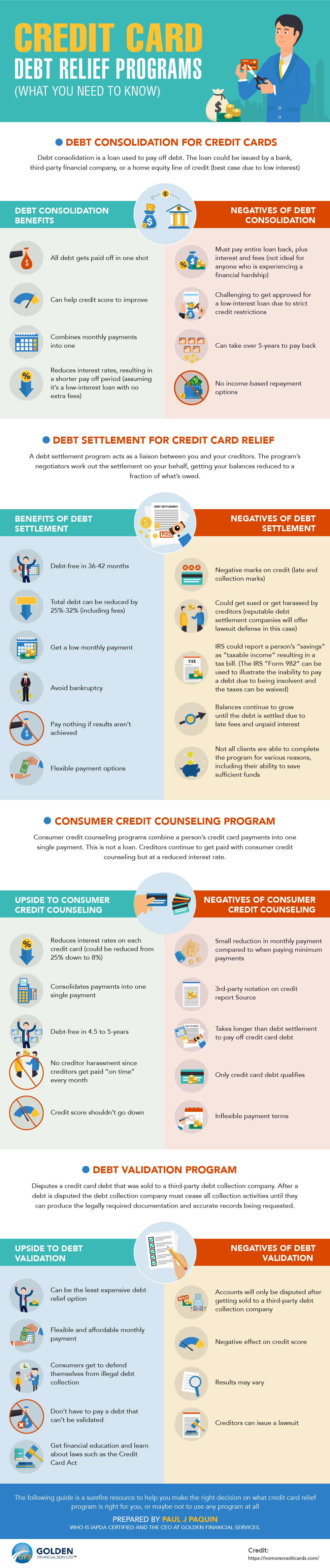
Debt card mercy is made to cost the customer much less, pay off the financial obligation quicker, and have less downsides than its for-profit counterpart. Some essential locations of difference between Charge card Financial debt Forgiveness and for-profit financial obligation settlement are: Credit history Card Financial obligation Forgiveness programs have connections with lenders who have agreed to get involved.
Once they do, the reward period starts right away. For-profit financial obligation settlement programs negotiate with each lender, normally over a 2-3-year period, while rate of interest, costs and calls from financial debt collection agencies proceed. This suggests a larger hit on your credit score record and credit report, and an increasing equilibrium up until negotiation is finished.
Credit Report Card Financial obligation Mercy clients make 36 equal month-to-month settlements to remove their financial obligation. For-profit financial obligation negotiation clients pay into an escrow account over a settlement period toward a lump amount that will certainly be paid to creditors.
A Biased View of Your Legal Protections While Receiving From Forbearance to Repayment Plan: Post-Crisis Options Explained by Housing Counselors
Throughout this time around, fees may raise, and passion accumulates, so payments may finish up not being affordable for clients. Meanwhile, clients quit making settlements to their charge card accounts. Calls from debt collection agencies proceed and creditor-reported non-payments remain to damage the customer's credit score report. Enrollment in a Credit Report Card Debt Mercy quits telephone calls and letters from debt collection and recovery companies for the accounts included in the program.
For-profit financial obligation negotiation programs do not quit collection activities up until the lump-sum payment is made to the lender. Nonprofit Bank Card Financial debt Forgiveness programs will tell you in advance what the month-to-month cost is, capped at $75, or much less, relying on what state you stay in. For-profit debt settlement firms may not be clear about fee amounts, which typically are a percent of the balance.
Facts About Economic Conditions and Increased Need for Debt Forgiveness Revealed
For-profit financial debt negotiation likely will harm it more, because you will not be paying creditors throughout the 2-3 year negotiation/escrow period, however they have not consented to a strategy or obtained any cash, so they're still reporting nonpayment. This is on top of the credit rating hit from not paying the sum total.
Debt combination additionally comes with a reduced passion price than what you were paying on your credit report cards, making the monthly prices, as well as general expenses, much less. Credit card financial debt consolidation's most usual types are financial debt administration strategies, financial obligation loan consolidation financings, or a zero-interest transfer charge card.
To get a financial debt combination finance or a zero-interest equilibrium transfer bank card, you need a credit history of a minimum of 680. In many cases higher. If your accounts are charged off, your credit history is likely well listed below that. Credit history isn't a factor for financial debt management program, but you need an enough earnings to be able to make a monthly payment that will certainly cover every one of the accounts included in the program.
Insolvency is the last hotel for a person who has even more debt than they can pay. It can be the action you take in order to prevent insolvency.
The Single Strategy To Use For ROI to Invest in Professional From Forbearance to Repayment Plan: Post-Crisis Options Explained by Housing Counselors
Insolvency will certainly remove all qualified unprotected financial obligation. Credit History Card Debt Mercy will certainly have a negative influence on your credit history because complete balances on accounts were not paid. However as soon as you have actually finished the program, the accounts will certainly show an absolutely no balance, not that you still owe money. Insolvency will have a much a lot more extreme adverse effect on your debt report, making it tough to get a home loan, auto loan, or other required credit rating in the years that follow.
Credit Card Financial obligation Forgiveness repayments begin as soon as you're approved right into the program. Collection actions and suits on Credit history Card Financial obligation Forgiveness clients are stopped as soon as creditors concur to the strategy.

Table of Contents
Latest Posts
3 Easy Facts About Community-Based The Future of Credit Scoring: Beyond FICO Alternative Data and Financial Inclusion Programs Explained Explained
Indicators on Why Hesitating to Pursue Debt Help Causes Things Harder You Should Know

A Biased View of How New Platforms Makes Financial counseling for veterans in South Carolina who have multiple high interest debts More Accessible
More
Latest Posts
Indicators on Why Hesitating to Pursue Debt Help Causes Things Harder You Should Know